

For over two decades, we’ve helped organizations accelerate cash flow, control costs, and improve customer satisfaction via our unified AR platform. AR automation and FRM platforms Statement of Comprehensive Income combine automated collection workflows, real-time analytics, and customer payment portals to improve the overall payment experience and accelerate cash collection. Fewer payment issues that would require insurance coverage in the first place. Many insurers employ specialized risk analysts and industry-specific underwriters who track your customers’ financial conditions in real-time.
Understanding EPO Health Insurance Plans
- They can provide detailed advice and tailor coverage to suit your business model.
- One of the many challenges you may encounter is the failure to track and streamline your A/R processes.
- For example, it covers the costs of hiring a temporary worker to assist with collection activities.
- It protects against the risk of non-payment by foreign customers or clients due to factors like political instability, currency fluctuations, or foreign government actions.
Enables coverage flexibility to facilitate more attractive financing to increase working capital from clients’ same pool of receivables. Accounts receivable (also referred to as AR) is money that customers still owe to your business. AR accumulates when you provide a good or service that your customer hasn’t paid for yet. It is essentially a line of credit as they receive your product before paying. Selecting the ideal policy involves evaluating factors like the insurer’s reputation, coverage scope, policy costs, and the efficiency of their claim settlement process. It’s crucial to collaborate with an insurer that comprehensively understands your industry and possesses a solid track record in efficiently handling claims.
Protection against economic instability

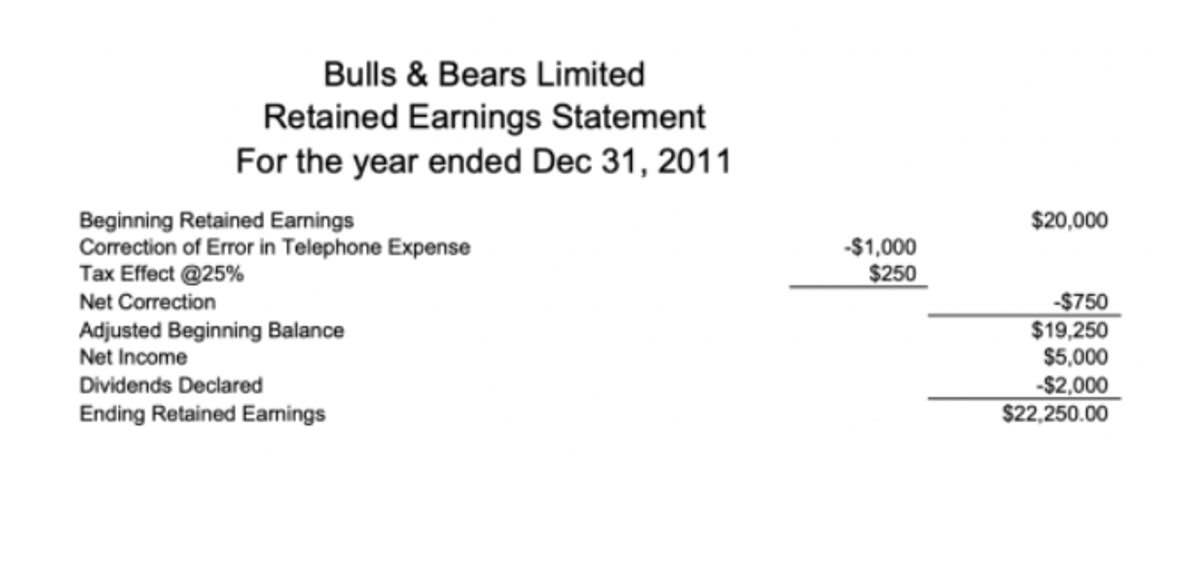
Industries with higher inherent what are retained earnings risks may have lower limits, while those with lower risks may secure higher limits. Some policies may cover losses due to currency devaluation or exchange rate fluctuations when dealing with international customers. It assists businesses in making informed decisions by assessing the creditworthiness of customers, reducing the likelihood of extending credit to high-risk clients. This is where pairing insurance with AR automation creates a powerful combination.

What does the receivables insurance usually cover?
Also, the cost of coverage for domestic businesses is lower than the international businesses. Throughout the blog, we have reiterated the importance of insurance eligibility and benefits verification. If you fail to incorporate this step before a patient encounter, your accounts receivable will accounts receivable insurance add up and you could end up with higher claim denials and financial loss. Typically, insurance firms take longer to process claims due to administrative delays and backlogs.

- Accounts receivable (AR) is a critical component of healthcare revenue cycle management (RCM) that represents the outstanding payments owed to a healthcare provider.
- This is the money that is still outstanding from patients or insurance companies.
- The chosen policy type influences the coverage level, premium cost, and how the claims process is managed.
- Most companies require customers to pay off their debt in a short amount of time.
- Even better, provide them with self-serve options that let them control when they initiate or end coverage.
Accounts receivable insurance coverage, as explored in this guide, stands as a dependable shield against the uncertainties of unpaid invoices and economic fluctuations. At ARI Global, we specialize in empowering businesses with tailored solutions that mitigate credit risks and protect cash flow. Accounts receivable insurance provides coverage for financial losses incurred by a business when its customers or clients fail to pay their invoices. Some accounts receivables insurance policies will also cover customers failing to pay for economic downturn reasons or seasonal business cycles. You may even be able to insure international clients and have geopolitical events covered in your policy. Accounts receivable insurance provides coverage against customer non-payment risks that often fall outside a company’s direct control.

Tip # 3 – Proactively Track Claims
Complete Insureon’s online application and contact one of our licensed insurance professionals to obtain advice for your specific business insurance needs. Invoice factoring takes a different approach, you sell unpaid invoices at a discount for immediate cash. Factoring companies advance up to 85-90% of invoice value upfront, with fees ranging from 1-5% per month. Accounts receivable management is fundamental to maintaining liquidity, your business’s financial lifeline. These assets can also serve as collateral for securing loans, providing additional financing options to support operations or growth initiatives. Typically, you can expect to pay a premium that is a percentage of your annual accounts receivable.
